
Veneers
Veneers are thin shells bonded to the front of your teeth. They change the color, shape and length of teeth to fix chips, gaps, stains and uneven edges.
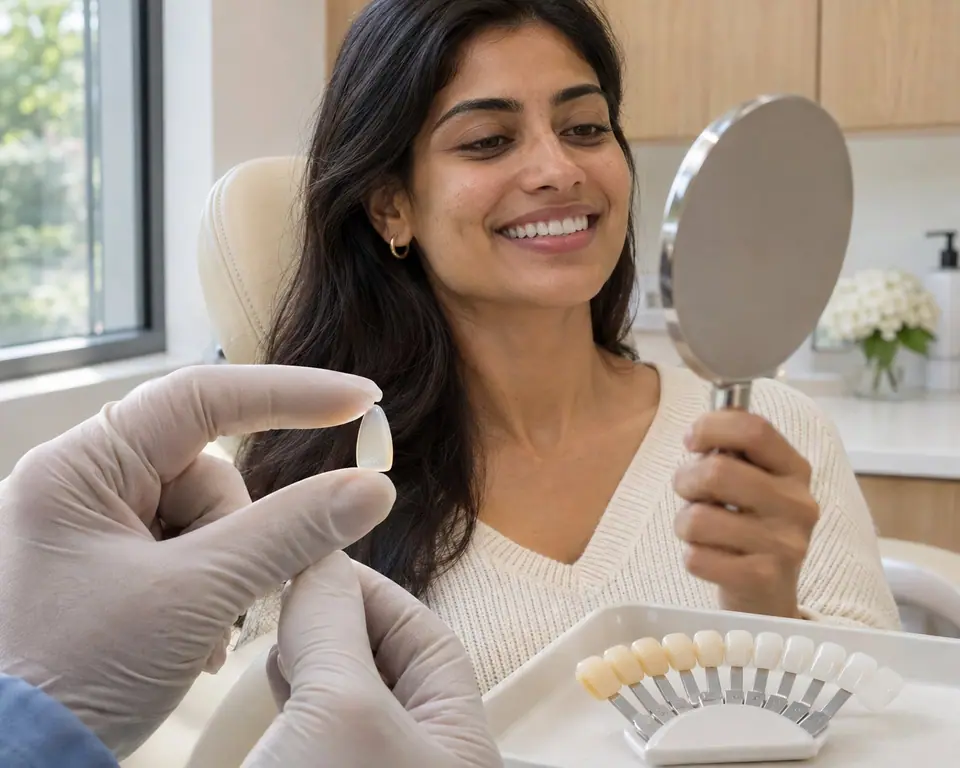
What we can help with.
Pick the one that sounds like you, then drag to compare.
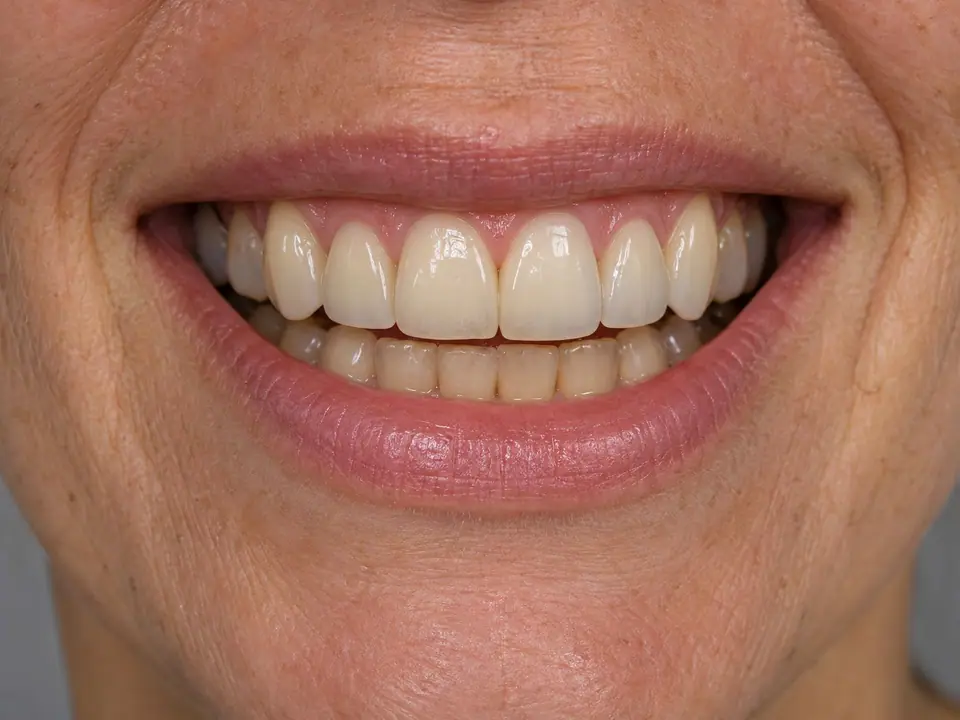
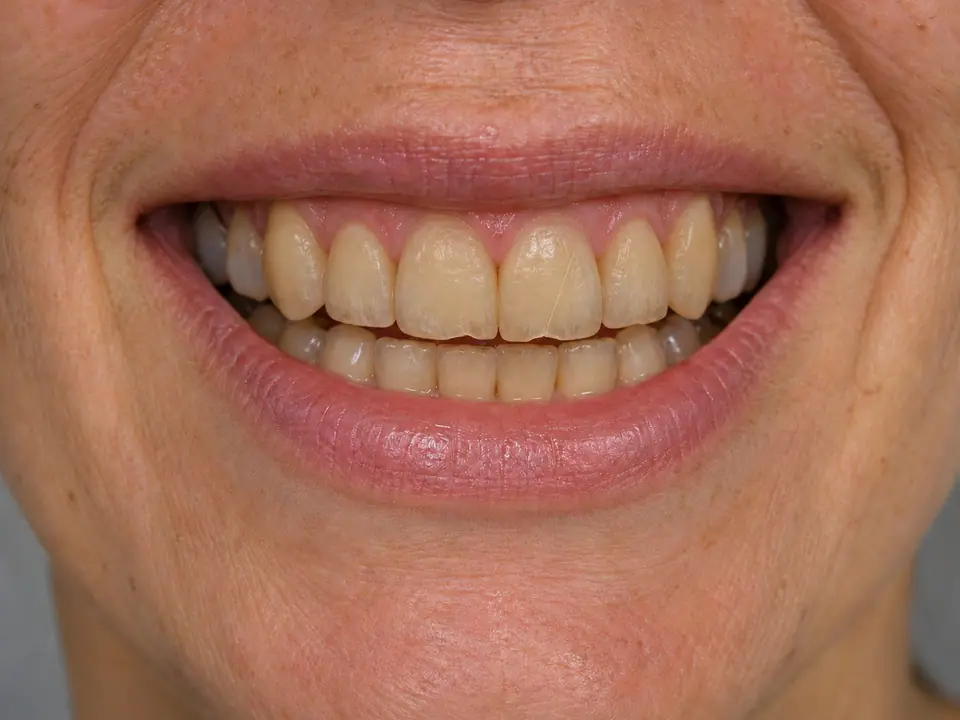
Step by step, no surprises.
Here’s what happens, from talking through your goals to your new smile.
- First visitSmile consultationWe talk through your goals and check that your teeth and gums are healthy.
- PlanningDesign your smileWe plan the shape and shade so the result looks natural.
- Treatment visitPrepare the teethTraditional veneers need a thin layer of enamel removed; Lumineers need little or none.
- Final visitBond and polishYour veneers are bonded in place and polished to match.
Good to know · Lumineers need little or no enamel removed. We explain which suits your teeth.
Book Your Visit- 1
- 2
- 3
- 4
Lumineers need little or no enamel removed. We explain which suits your teeth.
Book Your VisitQuestions, answered.
Still unsure? Call us at (215) 462‑6229.
What’s the difference between veneers and Lumineers?
Lumineers are an ultra‑thin type of veneer that usually needs little or no enamel removed. Traditional porcelain veneers are a little thicker. We’ll explain which suits your teeth.
Are veneers permanent?
Traditional veneers usually need a thin layer of enamel removed, so they are not reversible. We explain all your options before you decide.
How long do veneers last?
With good care, porcelain veneers can last many years. Avoid biting very hard things and wear a night guard if you grind your teeth.
Lumineers are an ultra‑thin type of veneer that usually needs little or no enamel removed. Traditional porcelain veneers are a little thicker. We’ll explain which suits your teeth.
Traditional veneers usually need a thin layer of enamel removed, so they are not reversible. We explain all your options before you decide.
With good care, porcelain veneers can last many years. Avoid biting very hard things and wear a night guard if you grind your teeth.